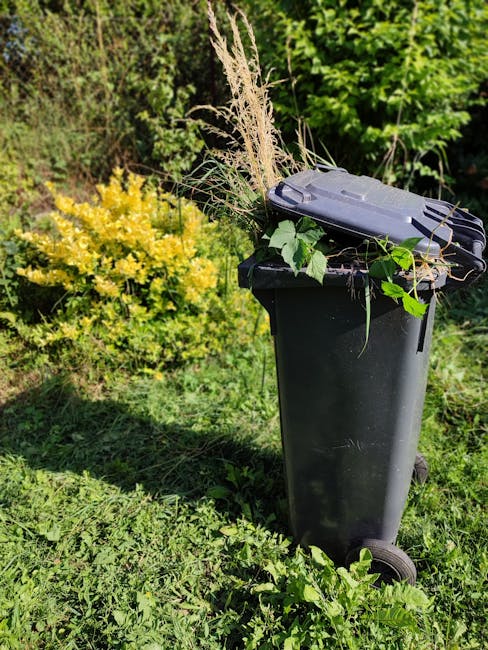
Hounslow Council rules for garden waste Heston explained
If you live in Heston and you've ever stared at a pile of hedge cuttings, grass clippings, or that one stubborn branch that seems to have appeared overnight, you'll know the question is not just what do I do with it? It's Hounslow Council rules for garden waste Heston explained in a way that actually helps you make the right call. The rules can feel a bit fiddly at first, especially when you're trying to work out what can go in a garden waste bin, what needs to be composted, and what should be taken away separately. This guide breaks it down clearly, with practical advice you can use straight away.
We'll look at how the council approach typically works, why it matters, what mistakes people make, and how to stay on the safe side when your garden work generates more waste than you expected. If you're booking regular upkeep through garden maintenance or tackling a bigger tidy-up with garden clearance, knowing the rules beforehand saves time, hassle, and the odd embarrassing knock-on-the-door moment from the waste team. To be fair, garden waste is one of those subjects that seems simple until bin day arrives.
Table of Contents
- Why Hounslow Council rules for garden waste Heston explained matters
- How Hounslow Council rules for garden waste Heston explained works
- Key benefits and practical advantages
- Who this is for and when it makes sense
- Step-by-step guidance
- Expert tips for better results
- Common mistakes to avoid
- Tools, resources and recommendations
- Law, compliance, standards, or best practice
- Options, methods, or comparison table
- Case study or real-world example
- Practical checklist
- Conclusion
- Frequently Asked Questions
Why Hounslow Council rules for garden waste Heston explained Matters
Garden waste sounds harmless enough. Grass, leaves, twigs, hedge trimmings, maybe a bit of soil on the roots. But in practice, the way you sort and present it can affect whether it is collected, whether it causes contamination, and whether you end up with extra work at the kerbside. In a place like Heston, where many gardens are modest in size but regularly maintained, that detail matters more than people think.
The council's garden waste rules exist for a reason. Organic waste is usually handled differently from general rubbish because it can often be composted or processed in a more sustainable way. When garden waste is mixed with food waste, plastics, rubble, or general household waste, it becomes much harder to deal with properly. The result? Missed collections, avoidable delays, and material that might have been recycled being downgraded to waste.
There's also a practical household angle. If you've just trimmed a hedge on a damp Saturday morning and piled the cuttings into a bin bag, the bag can get heavy, wet, and awkward fast. You'll notice it the moment you try to move it. Understanding the rules means you can prepare waste in the right format from the start, rather than trying to improvise later.
Expert summary: In simple terms, garden waste rules help you separate organic material cleanly, avoid contamination, and make collection or removal easier. That benefits the council, your household, and the local environment. Everyone wins, more or less.
For residents who prefer professional help, it also matters because a service provider should work in a way that aligns with local waste handling expectations. If you're comparing options, the wider approach to sustainability on recycling and sustainability can be a useful indicator of how carefully a business handles green waste and related materials.
How Hounslow Council rules for garden waste Heston explained Works
While the exact operational details can change over time, the general principle is straightforward: garden waste should be separated from non-organic rubbish and disposed of in the format the council expects. That might mean a dedicated garden waste service, specific bin presentation, or another approved method for collection and disposal. The key point is not to guess. If in doubt, check the council's current instructions before putting anything out.
In everyday terms, the council is usually trying to achieve three things:
- Keep garden waste free from contamination.
- Make collection routes efficient and predictable.
- Direct organic material into the most suitable processing route.
For a homeowner in Heston, this often translates into a few simple habits: bag or bin only acceptable green waste, avoid overfilling containers, keep bulky branches manageable, and do not sneak in items that belong elsewhere. A common issue is the "one bag won't hurt" mentality. It nearly always hurts. One stray plastic pot or bit of fencing can turn a clean load into a contaminated one.
If you're using a contractor, ask them how they deal with the waste once the pruning or clearance work is done. Good providers will be clear about loading, transport, and disposal. It should not be vague. If it is vague, that's your cue to ask more questions.
For larger jobs, especially after seasonal growth or a long delay in upkeep, combining regular services such as hedge trimming and lawn mowing can help reduce the amount of waste left sitting around. Less build-up usually means fewer headaches. Simple, but true.
Key Benefits and Practical Advantages
Following the rules properly isn't just about avoiding a bin issue. There are some real, day-to-day benefits.
- Cleaner collections: Waste is more likely to be taken without problems when it is sorted properly.
- Less mess at home: Proper containers and staging keep the garden looking tidy between visits.
- Better sustainability: Organic material can be processed more effectively when it is kept separate.
- Lower risk of rejected loads: Whether you are using council collection or a private service, contamination can cause rejection or extra charges.
- Less manual handling stress: Cuttings and branches are easier to move when they are packed sensibly.
There is another benefit people do not always talk about: peace of mind. When you know the waste is being handled in line with local expectations, the whole job feels more settled. You're not second-guessing every bag or wondering if you've got it wrong.
That matters if you're already balancing work, family life, and a garden that seems to grow while you're sleeping. Heston gardens can go from neat to chaotic in a couple of good growing weeks. It happens.
Who This Is For and When It Makes Sense
This guidance is useful for a wide range of people, not just homeowners with big lawns. It applies if you:
- have regular garden maintenance needs
- are clearing up after hedge trimming or pruning
- are removing seasonal leaves and debris
- have just finished a landscaping project
- are preparing a property for sale or rental
- manage a shared garden or small communal outdoor space
It also makes sense if you are planning work that will generate a lot of cuttings, such as reshaping shrubs, pruning trees, or replacing a worn-out border. In those cases, the amount of waste can be more than expected. A tidy front garden can still produce a surprising amount of green material. A bin bag is never as large as it looks on the ground.
If your job involves timber, roots, heavy branches, or mixed waste from a bigger clearance, professional support can be the cleaner route. Services like tree lopping and removal and landscaping often create waste streams that need a more careful plan than simple grass cuttings.
Step-by-Step Guidance
Here's a practical way to deal with garden waste in Heston without overcomplicating it.
- Separate waste as you go. Keep grass, leaves, weeds, and small cuttings together. Put plastic, pots, soil bags, stones, and general rubbish somewhere else.
- Check what is accepted. Council rules can vary for different waste types. If the item is woody, bulky, or mixed with non-organic material, it may need another route.
- Cut larger material down to size. Long branches, thorny stems, and dense clumps are awkward and can cause collection problems.
- Use the right container. Whether it is a bin, bag, or bundle, don't overfill it. Lidded containers should close properly, and loose material should not spill into the road.
- Keep everything dry where possible. Wet grass is heavy. Wet leaves are clingy. Wet everything is just annoying, frankly.
- Present it neatly. Put waste out at the correct time and in the correct place, with paths and gates kept clear.
- Ask for help on larger jobs. If the pile is turning into a small hill, consider a dedicated clearance service instead of forcing it through household bins.
A good habit is to think in stages: trim, collect, sort, and remove. That simple flow prevents a lot of mess and makes the job feel less overwhelming. If you're planning a bigger refresh, a combined approach using services overview information can help you decide whether maintenance, clearance, or a broader landscaping package is the best fit.
Expert Tips for Better Results
Over time, the small details are what make garden waste handling easier. A few practical tips make a real difference.
- Work after dry weather if you can. Dry cuttings are lighter and easier to bundle. Sounds obvious, but it saves a lot of effort.
- Trim little and often. Regular upkeep creates less waste than a full seasonal chop-back.
- Separate woody and soft waste early. It helps with disposal and makes the pile easier to move.
- Do not mix in soil unless it is clearly allowed. Soil is one of the most common reasons a load becomes unsuitable.
- Use robust bags or containers. Cheap bags split at the worst possible moment, usually when you are halfway to the gate.
- Have a staging area. Even a small patio corner can work for sorting waste before collection.
If you use a contractor, ask how they reduce waste volume. Good operators usually work carefully and cut material down before loading. That can make disposal neater and cheaper in practice, even if the job itself looks more involved at first.
And one more thing: don't leave hedge cuttings sitting too long in warm weather. They start to smell a bit earthy and damp, then more than a bit. Not ideal beside the back door.
Common Mistakes to Avoid
Most problems with garden waste are not dramatic. They are small, ordinary slip-ups that build into a bigger headache.
- Mixing garden waste with general rubbish. This is probably the biggest avoidable mistake.
- Including non-garden materials. Plant pots, ties, plastic netting, broken tools, and rubble do not belong in green waste.
- Overfilling bags or bins. Heavy containers are harder to handle and may be left behind.
- Leaving long branches uncut. They can snag, poke out, or make the load unsafe.
- Assuming all organic waste is accepted the same way. Different items can have different handling rules.
- Forgetting access. If collection crews cannot reach the waste safely, it may not be taken.
There's also a planning mistake people make all the time: starting the job before they have thought about disposal. That's how you end up with two enormous heaps, three half-full bags, and a vague feeling that you should have planned it on paper first. We've all been there.
Tools, Resources and Recommendations
You do not need fancy equipment to manage garden waste well, but a few basics help a lot.
- Sturdy garden sacks or reusable bags for cuttings and leaves
- Secateurs, loppers, and pruning saws to reduce branch size before disposal
- A rake and leaf scoop for collecting loose organic matter
- A wheelbarrow or trolley if you have a larger garden or awkward access
- Gloves and boots for handling thorny or damp waste safely
For homeowners who want to reduce the amount of waste they generate, regular upkeep is usually more efficient than occasional large-scale cutting. That's where garden maintenance can be especially useful. It keeps growth under control, which means fewer oversized clearance jobs later on.
If your garden has reached the "we need to start from scratch" stage, then a one-off garden clearance may be more appropriate. That's the point where the waste plan matters almost as much as the gardening itself.
Law, Compliance, Standards, or Best Practice
When people ask about council rules, they are often really asking: what is the safe, sensible, compliant way to deal with this? The honest answer is that residents should follow the current collection and disposal guidance issued by the local authority, and service providers should work within normal UK waste-handling expectations.
Best practice usually means:
- separating green waste from general household rubbish
- avoiding contamination with plastics, soil, rubble, and food waste
- presenting waste in a safe and accessible way
- using licensed or appropriate disposal routes where required
- keeping records or invoices when a contractor removes waste for you
If you hire someone to remove or process waste, it is sensible to ask how they handle transport, disposal, and safety. That's not being difficult. It's being careful. In fact, it is exactly the kind of question a trustworthy provider should be happy to answer.
For broader reassurance around responsible working practices, it can help to look at a business's health and safety policy and insurance and safety information. If a company is careful about safety, it is usually careful about the rest too.
Options, Methods, or Comparison Table
There are usually three main ways to deal with garden waste in Heston. Which one suits you depends on how much waste you have, how often you garden, and how much lifting you want to do yourself.
| Method | Best for | Pros | Limitations |
|---|---|---|---|
| Council collection route | Smaller, routine garden waste | Convenient, familiar, often low effort | Subject to collection rules, container limits, and accepted materials |
| Self-managed composting | Leaves, grass, soft cuttings, eco-minded households | Reduces waste, supports garden soil, very practical over time | Not suitable for all materials; needs space and patience |
| Professional garden clearance | Large piles, mixed debris, overgrown plots, post-renovation tidy-ups | Fast, tidy, less physical effort, useful for bigger jobs | Usually the most involved option for planning, and cost depends on volume and job complexity |
For a small, regularly maintained garden, the council route or composting may be enough. For a back garden that has gone a bit wild after a wet spring and a busy month, professional help often makes more sense. No shame in that. Honestly, it is sometimes the sensible choice.
Case Study or Real-World Example
Imagine a semi-detached home in Heston with a front hedge, a lawn, and a narrow side return. The owner has left pruning until late summer, so there are hedge clippings, lawn cuttings, a few thick stems, and a bag of old plant ties from the shed. At first glance it looks manageable. By the time everything is gathered into one corner, it has become a much bigger pile than expected.
Here's what works well in that situation:
- sort the soft cuttings from the woody material
- remove the plastic ties and any mixed rubbish
- cut long branches into smaller, safer sections
- place the waste in suitable containers or arrange collection before the pile spreads
- use a maintenance plan so the same build-up does not happen next month
That last point matters. The biggest lesson from real gardens is that prevention beats panic. A little regular work keeps the garden looking tidy and keeps waste volumes predictable. A burst of chaos is no fun on a Friday evening, especially when you still need to get the bins out.
In cases where the waste is too much for normal household handling, a professional team can step in with a clearer process and fewer surprises. That is often where pricing and quotes information becomes useful, because it helps you compare routine upkeep with one-off clearance work in a way that feels realistic.
Practical Checklist
Use this quick checklist before you put any garden waste out or book a clearance visit:
- Have I separated green waste from general rubbish?
- Have I removed plastic, metal, pots, ties, or rubble?
- Are branches and stems cut down to a manageable size?
- Is the waste in the right bin, sack, or bundle?
- Is the load too heavy or too large for a standard household collection?
- Have I checked current local rules if I am unsure?
- Do I need regular upkeep rather than one-off clearing?
- Would a professional service save time and reduce stress?
Practical tip: if the pile looks "almost fine", that is usually the moment to slow down and check it properly. Almost fine is where problems begin.
Conclusion
Understanding Hounslow Council rules for garden waste in Heston is mostly about common sense, but the details matter. Keep green waste separate, avoid contamination, present it safely, and choose the right disposal method for the amount you have. For small regular jobs, a neat system is often enough. For bigger clearances or overgrown gardens, professional support can save time and make the whole process much smoother.
Truth be told, the easiest garden waste system is the one you can keep using without dreading it. Once you've got that in place, the garden feels lighter, cleaner, and a lot less stressful. And that is worth a fair bit.
If you want help keeping your outdoor space tidy, compliant, and easier to manage, take a look at our services overview and explore the support options that fit your garden best.
Get a free quote today and see how much you can save.
Frequently Asked Questions
What counts as garden waste under Hounslow Council rules?
Garden waste usually includes grass cuttings, hedge trimmings, leaves, weeds, small branches, and other natural material from routine gardening. Items like plastic pots, rubble, soil bags, and general household rubbish are usually treated differently. If something is mixed or unclear, it is best not to assume it will be accepted.
Can I put soil in my garden waste bin?
Soil is often handled differently from green waste, and many people get caught out by this. The safe approach is to check the current council guidance before including any soil, turf, or root-heavy material. A small amount may be treated one way, while larger quantities may need another route entirely.
What should I do with hedge clippings after trimming?
Hedge clippings should be separated from non-garden waste and prepared in a manageable way. If they are soft and leafy, they may be suitable for standard green waste handling. If they are woody, bulky, or mixed with ties and plastic, they may need extra sorting or a different disposal method.
Can garden waste be mixed with food waste?
Generally, no. Mixing food waste with garden waste can create contamination and make the material less suitable for recycling or composting processes. It also increases smell and mess, which is not exactly a joy on collection day.
What happens if my garden waste is contaminated?
Contaminated waste may be left behind, rejected, or require re-sorting. Even one plastic item can cause problems in some situations. That is why it is worth doing a quick check before the waste is presented for collection or removal.
Is professional garden clearance worth it for a small garden?
Sometimes yes, sometimes no. If you only have a small amount of grass and hedge cuttings, routine disposal may be enough. But if the garden has been neglected, or if access is awkward, a professional clearance can still save time and effort. It is a judgement call, really.
How often should I clear garden waste in Heston?
That depends on how fast your garden grows and how often you maintain it. Many homes do better with light, regular upkeep rather than one large seasonal tidy. Frequent smaller clearances usually create less waste and are easier to manage.
Do I need a contractor for branches and tree cuttings?
Not always, but larger branches and heavier cuttings can be awkward to cut, lift, and transport safely. If you are dealing with tree work, thick wood, or a lot of material, a specialist service may be the simpler and safer option.
How can I reduce the amount of garden waste I produce?
Regular maintenance is the biggest help. Smaller, more frequent trimming sessions produce less waste than occasional major cuts. Composting soft waste, choosing lower-maintenance planting, and planning seasonal work in stages can all reduce the load.
What is the best option for a garden that has become overgrown?
For an overgrown garden, a full clearance followed by a maintenance plan is often the most practical route. It gives you a clean starting point and makes future waste easier to manage. If the space is badly tangled or full of mixed material, do not be surprised if the job takes more than one stage.
Can I get help with sustainable garden waste handling?
Yes. A provider that takes sustainability seriously should be able to explain how waste is separated, transported, and managed responsibly. If that matters to you, look for clear information on environmental practices and the way the business approaches recycling and disposal.
Where should I start if I am not sure what to do with my garden waste?
Start by sorting everything into green waste and non-green waste. Then check the local rules before you move anything to the kerbside or book removal. If the pile is bigger than you expected, or if you want someone else to handle it properly, a professional service can take the pressure off.