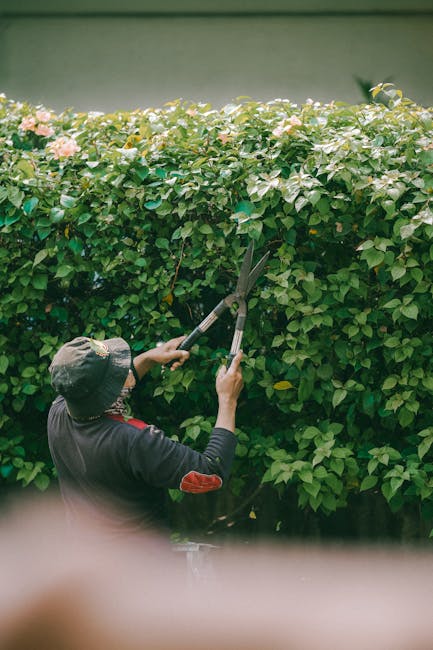
Heston Park garden maintenance for busy homeowners
There are two kinds of gardens: the ones that quietly look after themselves, and the ones that seem to need attention the moment you get busy. If you live in Heston Park and your week is already full, Heston Park garden maintenance for busy homeowners is really about keeping the outdoor space healthy, tidy, and usable without turning it into another job on your list. Not a perfect show garden. Just a well-kept one that makes you feel better when you step outside.
Truth be told, most people do not need more gardening enthusiasm. They need a sensible plan, a realistic schedule, and someone who knows what to prioritise when time is tight. This guide walks through how garden maintenance works, what to expect, where people often go wrong, and how to decide whether regular help makes sense for your home.
Along the way, you will find practical tips for lawn care, hedging, pruning, seasonal tidy-ups, and the sort of small decisions that stop a garden from sliding into that slightly wild, slightly stressful state. Let's keep it grounded and useful.
For an overview of available support, you may also want to review the services overview and, if you are comparing providers, the page on pricing and quotes is a sensible next stop.
Table of Contents
- Why Heston Park garden maintenance for busy homeowners matters
- How Heston Park garden maintenance for busy homeowners works
- Key benefits and practical advantages
- Who this is for and when it makes sense
- Step-by-step guidance
- Expert tips for better results
- Common mistakes to avoid
- Tools, resources and recommendations
- Law, compliance, standards, or best practice
- Options, methods, or comparison table
- Case study or real-world example
- Practical checklist
- Conclusion
- Frequently asked questions
Why Heston Park garden maintenance for busy homeowners Matters
A garden can slip out of shape surprisingly fast. One wet week, a stretch of missed mowing, a hedge that grows a little more than you expected, and suddenly the whole place feels heavier. In a busy home, that matters because the garden is usually part of daily life, not just decoration. It is where kids kick a ball, where you carry the bins, where you want a quick coffee in the morning, or where the back door view either lifts you up or quietly nags at you.
Heston Park garden maintenance for busy homeowners matters because small issues compound. Grass gets patchy if it is cut badly or left too long. Beds become weedy. Shrubs start blocking paths or windows. Dead leaves collect around the base of plants and in corners you only notice when the light hits them just right on a Saturday morning. The work itself is rarely dramatic; it is the accumulation that becomes annoying.
For many homeowners, the real pressure is not just time. It is decision fatigue. Which plant should be cut back now? Is that tree safe? Should the lawn be fed this month or next? You do not need to become a gardener to have a decent garden. You just need maintenance that is consistent and suitably scaled to your property.
Expert summary: Busy households tend to benefit most from regular, preventive garden maintenance rather than reactive clean-ups. Small, repeated visits usually keep outdoor spaces tidier, safer, and easier to enjoy than occasional big rescue jobs.
If you are also thinking about how a service is run behind the scenes, it can be reassuring to read the company's about us page and the practical details on insurance and safety.
How Heston Park garden maintenance for busy homeowners works
Garden maintenance is usually built around a simple idea: keep the outdoor space in good order with routine visits, sensible seasonal tasks, and a clear list of priorities. For a busy homeowner, that means the service should fit the garden rather than the other way around.
In practice, a maintenance visit often starts with a quick visual check. What has changed since the last visit? Is the lawn growing faster because of warm, wet weather? Have shrubs put on a sudden spurt? Are there any safety concerns, such as slippery paths, overhanging branches, or damaged sections that need attention?
From there, the work usually follows the garden's actual needs. That may include mowing, edging, weeding, pruning, deadheading, hedge trimming, leaf clearance, seasonal feeding, and tidying borders. Some gardens need very little beyond regular mowing and weed control. Others need a more hands-on plan because there are mixed beds, mature shrubs, or awkward corners that catch debris. Gardens are a bit like people, really: no two are quite the same, which is why one-size-fits-all maintenance often falls short.
A good service should also be clear about what is included and what is not. For example, a routine visit may keep growth under control, while larger one-off jobs like heavy reductions, clearance work, or waste-heavy projects may need a separate discussion. That is normal. Clarity prevents misunderstandings later.
When you look at how a provider structures its work, the services overview and pricing and quotes pages are useful because they help you see whether the support is suited to regular upkeep, one-off tidy-ups, or a more tailored arrangement.
Key Benefits and Practical Advantages
The main benefit is obvious, but worth saying plainly: a maintained garden is easier to live with. You notice it in small ways. The path feels clearer. The lawn looks intentional. The front of the house feels cared for. Even the view from the kitchen window is calmer. And when you are already stretched, that matters more than people sometimes admit.
- Less weekend catch-up: regular maintenance reduces the need for huge, exhausting garden sessions.
- Better plant health: pruning and care at the right time keeps shrubs, borders, and hedges in better condition.
- Safer outdoor spaces: trimming growth back from paths, steps, and entrances helps keep things more practical.
- More consistent appearance: a little upkeep goes a long way toward preventing the "wild patch" effect.
- Better use of the space: if the garden is tidy and functional, you are more likely to use it.
There is also a less obvious benefit: maintenance reduces the mental load. You stop carrying that low-level worry in the back of your mind. To be fair, that is a very real part of home ownership. Nobody wants to spend a Tuesday evening thinking about a hedge that is now behaving like a small green wall.
For households trying to manage budgets sensibly, keeping a garden on a maintenance schedule can also be more predictable than repeatedly paying for rescue work. If you want a provider that understands the practical side of ongoing care, it is worth looking into the company's approach through recycling and sustainability as well as payment and security.
Who This Is For and When It Makes Sense
This kind of service is a strong fit for people who want a decent-looking garden but do not have the time, energy, or specialist tools to maintain it properly themselves. That includes families, commuters, hybrid workers, shift workers, landlords, and homeowners who simply do not want to spend every spare hour pulling weeds.
It also makes sense if your garden has any of these traits:
- fast-growing lawns that need regular mowing
- hedges that quickly lose shape
- flower beds that need seasonal attention
- leaf fall from nearby trees
- shared or visible front gardens where appearance matters
- patches that become slippery or untidy quickly
Sometimes people wait until the garden feels embarrassing before asking for help. That is common, but not ideal. A better moment is when you notice a pattern: every time the lawn needs cutting, the job seems bigger than you expected; every time spring hits, the beds get out of hand; every autumn, the leaves pile up and the space starts feeling neglected.
Busy homeowners usually fall into one of two camps. Some want a light-touch, keep-it-tidy plan. Others want more complete garden management because they know they will not be able to keep up alone. Either is fine. The trick is being honest about what you will actually do yourself, not what you imagine you might do in some mythical free weekend. We all have those, apparently.
If you are unsure whether you need a one-off visit or ongoing support, the simplest first step is to contact the team and describe the garden's current condition, size, and pain points.
Step-by-Step Guidance
If you want garden maintenance to work well for a busy household, it helps to treat it like a system. The best results usually come from a clear routine rather than random tidy-ups whenever the mood strikes.
- Walk the garden properly. Look at the space as a whole. Note the lawn, borders, hedges, paths, fence lines, drainage spots, and any areas that always get messy first.
- Separate urgent jobs from cosmetic ones. Safety and access come first. A blocked path, overgrown entrance, or unstable branch is more pressing than a decorative border tweak.
- Set a realistic maintenance frequency. Some gardens need weekly or fortnightly attention in peak season; others are fine with less frequent visits. There is no prize for over-maintaining.
- Decide what you will do yourself. If you are happy with a bit of deadheading or light watering, say so. Clear boundaries make the service more efficient.
- Prioritise the high-impact areas. Front gardens, lawn edges, entrance paths, and visible borders often make the biggest difference to how the whole property feels.
- Agree a simple seasonal plan. Spring, summer, autumn, and winter each bring different tasks. A good maintenance setup should reflect that, not fight it.
- Review after a few visits. If something is being missed or the schedule feels too light, adjust it. Gardens change, and your routine should too.
In a real home, this is often where things become easier. Once the rhythm is in place, you stop starting from scratch every time. That alone can feel like a relief.
Expert Tips for Better Results
Good maintenance is not just about doing more; it is about doing the right things in the right order. A few small habits make a noticeable difference.
1. Keep the lawn on a sensible cycle
Do not wait until the grass has shot up and turned shaggy. Regular mowing is cleaner on the lawn and less punishing for everyone involved. Cutting a little and often usually gives a better finish than a dramatic once-a-month rescue.
2. Prune with restraint
One of the most common mistakes is over-cutting shrubs because they look untidy. That can create an awkward shape or encourage awkward regrowth. Sometimes a lighter hand is the better one. A bit frustrating, perhaps, but true.
3. Watch the edges
Neat edges around lawns, patios, and borders make the whole garden look more intentional. It is one of those small details that people notice without realising why.
4. Use mulch where it helps
In beds and borders, mulch can help reduce weeds and retain moisture. It is not magic, and it will not solve every problem, but it can make maintenance easier over time.
5. Deal with leaf build-up early
Leaves look harmless until they sit damp on grass or paths for too long. Then they become messy, slippery, and a bit depressing on a grey morning. Clearing them regularly keeps the space more usable.
6. Keep a short seasonal note
A simple note on what was done last time helps. It avoids accidental repetition and makes the next visit more efficient. Nothing fancy. A phone note is enough.
If you prefer a service that thinks in terms of upkeep rather than just one-off labour, it can help to understand the provider's standards through the health and safety policy and insurance and safety information. That is especially useful when trees, ladders, tools, or heavier clearance work are involved.
Common Mistakes to Avoid
Busy homeowners often make garden maintenance harder than it needs to be. Not because they are careless, just because time is short and the garden keeps quietly moving the goalposts.
- Waiting until everything feels urgent. By then, the job is usually more expensive, more disruptive, and more stressful.
- Trying to do all the work in one burst. A massive Saturday push can leave the garden half-finished and you exhausted by noon.
- Ignoring small weeds. Tiny weeds become bigger weeds. That is horticulture and a mildly annoying life lesson.
- Cutting hedges at the wrong time or too hard. This can spoil shape and affect growth.
- Not checking access issues. If gates, side passages, bins, or parked cars block the work, everything takes longer.
- Assuming every service includes the same tasks. Always confirm what is included, especially for waste removal or larger one-off jobs.
Another common issue is unclear communication. If your priority is front-of-house appearance because visitors arrive through the main path, say so. If the rear garden needs more attention because it is used by children or pets, say that too. The more precise the brief, the better the outcome. Simple, really.
Tools, Resources and Recommendations
You do not need a garage full of equipment to keep a busy household garden in shape, but the right tools make maintenance more efficient. For homeowners managing small jobs between visits, these basics usually help:
- a reliable lawn mower suited to the garden size
- hand shears for light trimming
- secateurs for small pruning jobs
- a rake or leaf collector for autumn tidy-ups
- a watering can or hose for dry spells
- gloves that actually fit and do not disappear immediately
- a small bucket or trug for collecting cuttings and weeds
On the service side, useful resources are the pages that explain how work is handled, what standards are followed, and how you can start. The most relevant ones here are services overview, pricing and quotes, and contact us.
For households that want a tidier, lower-waste approach, the recycling and sustainability information is worth a look. It is a practical detail, not a grand statement, but the practical details are usually the ones that matter in daily life.
Law, Compliance, Standards, or Best Practice
Garden maintenance is not usually a heavily regulated topic for homeowners in the same way some other services are, but good practice still matters. A trustworthy provider should work safely, communicate clearly, and handle tasks in a way that respects property boundaries, access, and waste handling expectations.
For example, if work involves ladders, power tools, or heavier clearance, safe method and proper insurance become more important. If cuttings or garden waste are being removed, disposal should be handled responsibly and in line with the provider's stated recycling or waste approach. If there are shared boundaries, neighbouring properties, or access through side passages, that needs a bit of care too.
It is also sensible to check the terms of service before work begins. That helps avoid any confusion about visits, cancellations, what counts as additional work, and how quotes are structured. The relevant pages are the terms and conditions and complaints procedure. Nobody likes reading those pages, fair enough, but they do save headaches later.
One more thing: if a company is clear about its privacy and payment handling, that is a good sign of basic professionalism. You can see those details on the privacy policy, cookie policy, and payment and security pages.
Options, Methods, or Comparison Table
If you are deciding how to manage a garden around a busy routine, it helps to compare the common approaches side by side. There is no perfect answer, just the right level of support for your situation.
| Approach | Best for | Pros | Trade-offs |
|---|---|---|---|
| DIY only | Homeowners with time, tools, and interest | Full control, lower direct spend | Easy to fall behind, can become overwhelming in peak season |
| One-off tidy-up | Overgrown gardens or occasional resets | Fast improvement, useful for a fresh start | Does not solve ongoing upkeep |
| Regular maintenance visits | Busy homeowners who want a consistently tidy garden | Predictable, preventive, easier to manage long term | Requires a budget and some scheduling |
| Seasonal maintenance plan | Gardens with changing spring, summer, and autumn demands | Balanced support across the year | Needs clear planning and communication |
For most busy homeowners, regular maintenance or a seasonal plan offers the best balance. Not because DIY is bad, but because time is finite and gardens tend to grow at their own pace, with no regard for your diary.
Case Study or Real-World Example
Consider a typical Heston Park household: a pair of working adults, school runs, a small back garden, and a front border that always looks slightly too far gone by Friday. The lawn is manageable in spring but becomes too long after a few missed cuts. The hedge along the boundary starts leaning toward the pavement. Leaves gather near the patio in autumn, and the whole space feels a little neglected, even though no one has done anything "wrong".
In that sort of situation, a maintenance plan usually begins with a reset. The first visit clears the obvious mess, trims back growth, and gets the garden back to a manageable baseline. After that, the work shifts to lighter but regular upkeep: mowing before the lawn gets out of hand, keeping edges sharp, doing small weed pulls, and handling seasonal tasks before they become bigger jobs.
What changes most is not just the appearance. It is the pressure. The family can use the garden again without the thought of "we really should sort that out" hanging over them every time they open the back door. That, honestly, is the real win.
This is also where choosing a provider with a clear process helps. A straightforward first contact through contact us, a transparent quote via pricing and quotes, and a clear service description all make the decision easier.
Practical Checklist
Use this quick checklist before booking or reviewing garden maintenance support:
- Have you identified the main problem areas in the garden?
- Do you know whether you need a one-off tidy-up or ongoing maintenance?
- Have you decided which jobs you want handled regularly?
- Is access to the garden clear and safe?
- Do you know how often the lawn, hedges, and borders usually need attention?
- Have you checked whether waste removal or recycling is included?
- Are terms, pricing, and payment details clear?
- Do you know who to contact if something is not right?
- Have you thought about seasonal tasks such as leaf clearance or spring pruning?
- Would a simple maintenance schedule reduce stress at home?
Quick reminder: the best plan is the one you will actually keep using. Fancy isn't necessary. Reliable is.
Conclusion
Heston Park garden maintenance for busy homeowners is really about making outdoor life easier, calmer, and more manageable. A good garden does not have to be immaculate. It just needs to be cared for in a way that fits your routine and your property. When maintenance is regular, sensible, and built around what the garden actually needs, everything becomes simpler: the space looks better, feels safer, and takes less of a toll on your time.
If your garden has been drifting into the "I'll deal with it later" category, that is a completely normal place to be. Most people get there sooner or later. The good news is that a clear plan can bring things back under control without drama.
For help understanding your options, reviewing services, or getting started with a quote, take a look at the site's core pages and trust information. A little clarity goes a long way.
Get a free quote today and see how much you can save.
And if all you end up doing tonight is looking out at a tidier view through the window, that is still a good outcome. Sometimes that quiet feeling is exactly what home should give you.
Frequently Asked Questions
What does garden maintenance usually include for a busy homeowner?
It usually includes the recurring jobs that keep the garden tidy and healthy, such as mowing, edging, weeding, pruning, hedge cutting, leaf clearance, and general seasonal upkeep. The exact mix depends on the garden and how much you want handled for you.
How often should a Heston Park garden be maintained?
That depends on growth rate, garden size, and how polished you want it to look. Many busy homeowners benefit from regular visits during the main growing season, then lighter support when growth slows. A sensible schedule is better than trying to catch up after long gaps.
Is regular garden maintenance better than one-off tidy-ups?
For most busy households, yes. One-off tidy-ups are useful when a garden has got away from you, but regular maintenance usually keeps the work smaller, cheaper, and easier to manage over time.
Can garden maintenance help if my garden is already overgrown?
Yes. In many cases, the first step is a reset visit to clear, cut back, and bring the garden back to a manageable condition. After that, ongoing maintenance helps stop it from sliding back.
What should I look for in a garden maintenance service?
Look for clear communication, realistic schedules, straightforward pricing, proper safety awareness, and an explanation of what is included. It also helps if the provider is transparent about insurance, payment, and terms.
Do I need to be home during the maintenance visit?
Not always, but that depends on access arrangements and how comfortable you are. Some homeowners prefer to be there for the first visit, then leave a key or access plan once trust and routine are established.
How do I know whether I need hedge trimming, pruning, or both?
Hedge trimming usually focuses on shaping and keeping boundaries neat. Pruning is more about the health and structure of shrubs, trees, and other plants. A good maintenance visit may include both, depending on what the garden needs.
Will regular maintenance reduce long-term garden costs?
Often, yes, because small problems are easier to handle before they become bigger jobs. It is not a guarantee, but routine care can prevent the sort of neglect that leads to larger clearances or replacements later on.
What should I ask before getting a quote?
Ask what is included, how often visits are recommended, whether waste removal is part of the service, how pricing is structured, and what happens if your needs change. Clear questions now save awkwardness later.
Is garden waste handled responsibly?
It should be. Many homeowners prefer a provider that can explain how cuttings and waste are managed. If sustainability matters to you, check the provider's recycling and sustainability information before booking.
What if I only want help with the front garden?
That is perfectly normal. A lot of homeowners focus on the front garden because it is visible from the street and sets the tone for the property. A tailored maintenance plan can often focus on just the areas that matter most.
How do I start if I have very little time?
Start with the worst pain point first: lawn, hedge, weeds, or leaf build-up. Then ask for a maintenance plan that fits your schedule, not an ideal one. You do not need to solve the whole garden at once.