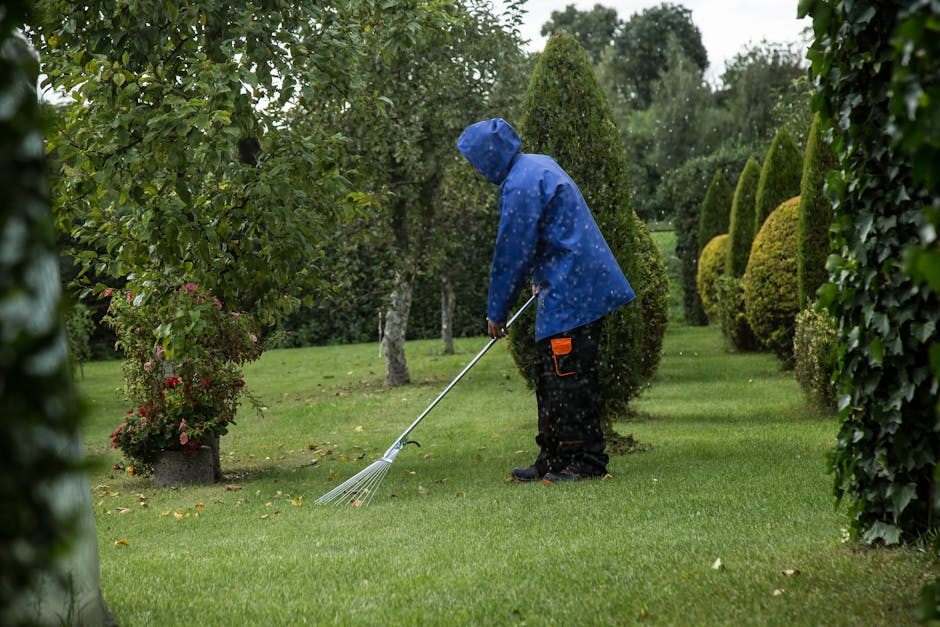
Commercial gardeners Heston shops and offices: a practical guide for busy business premises
If you manage a shop, office, parade, or mixed-use premises in Heston, the outside space matters more than people sometimes admit. A tidy planter, a healthy frontage, and well-kept paths can change how a place feels before anyone even steps inside. That is where Commercial gardeners Heston shops and offices become genuinely useful: they keep business landscapes looking professional, safe, and easy to maintain without turning your team into part-time gardeners.
This guide explains what commercial gardening services usually include, how the process works, what to expect, and how to choose the right approach for shops and offices in Heston. It also covers common mistakes, compliance considerations, and a practical checklist you can use when planning regular maintenance. Truth be told, the difference between "just about acceptable" and "consistently sharp" is often smaller than people think - but it does take consistency.
Whether you need one-off tidying before a busy trading period or a long-term grounds maintenance plan, you will find clear, local, real-world advice below.
Why Commercial gardeners Heston shops and offices Matters
For shops and offices, the exterior is not decoration. It is part of the business experience. A well-groomed frontage helps signal care, reliability, and attention to detail. People notice hedges that are trimmed, weeds that are under control, and entrances that feel safe and welcoming. They also notice the opposite. A few tired planters, a patch of overgrown grass, or litter trapped in planting beds can quietly drag the whole place down.
In a busy area like Heston, where customers, staff, visitors, and delivery drivers all move through the same spaces, commercial garden maintenance has a practical side too. Overgrown shrubs can block sightlines. Wet leaves can make entrances slippery. Plants that are not suited to the site can fail quickly, which means more replacement costs and more hassle. Nobody needs that. Not on a Monday morning, anyway.
Good commercial gardeners do more than mow and sweep. They help you keep the site presentable across the seasons, reduce small risks before they become bigger ones, and build a routine that fits your opening hours rather than disrupting them.
Key point: commercial garden care is really about protecting presentation, safety, and consistency. The best results are usually the least dramatic - just a site that always looks under control.
How Commercial gardeners Heston shops and offices Works
In practice, commercial gardening starts with understanding the site. A shop frontage has different needs from an office courtyard, and both differ again from a shared business park or a row of units. The first step is usually a walkthrough or assessment, where a gardener looks at the planting, access routes, hard surfaces, seasonal issues, irrigation, and any areas that need frequent attention.
After that, the work is typically shaped into a schedule. For some properties, weekly or fortnightly visits make sense. For others, monthly maintenance is enough, with extra visits during growing season or after storms. The plan may include grass cutting, hedge trimming, border weeding, pruning, leaf clearance, deadheading, plant replacement, pressure-free tidying, and waste removal.
For offices, the approach often leans toward subtle polish: smart borders, healthy container planting, and outdoor areas that look intentional without becoming high-maintenance. For shops, the focus is often more immediate. The frontage needs to look clean, approachable, and dependable from the pavement. Customers decide quickly; you can almost feel that glance happen as they approach the door.
One important point: commercial gardening is not a single service. It is a maintenance system. That system should adapt to your site's layout, footfall, season, and budget.
What a typical service mix can include
- Regular mowing or grass cutting where turf is present
- Hedge and shrub pruning to maintain shape and visibility
- Weed control in beds, paths, and paved areas
- Seasonal planting and plant replacement
- Leaf clearance and general tidying
- Mulching to improve moisture retention and reduce weeds
- Container and planter maintenance
- Waste removal and site clean-up after work
If you want broader support for grounds and outdoor areas, many businesses also look at garden maintenance as part of a wider property-care routine. If your site includes multiple landscape elements, that joined-up approach tends to work better than piecemeal fixes.
Key Benefits and Practical Advantages
The strongest reason to invest in commercial garden care is simple: it reduces friction. Everything looks easier to manage when the grounds are orderly. Staff arrive to a better environment. Customers get a better first impression. Facilities teams spend less time firefighting. Small improvements add up.
1. Better presentation A well-kept exterior tells people the business pays attention. That matters for customer-facing premises, but it also matters for offices where visitors, contractors, and staff form opinions every day.
2. Less reactive maintenance Regular visits are usually more efficient than occasional big clear-ups. If weeds are tackled early, they are easier to control. If shrubs are pruned before they sprawl, they stay manageable. Let's face it, nature loves a shortcut if you give it one.
3. Reduced slip and obstruction risks Leaves, moss, loose clippings, and overgrowth can create avoidable hazards. A consistent maintenance routine helps keep entrances, paths, and access areas clearer.
4. Stronger seasonal control Heston properties face the full rhythm of UK weather. Spring growth can surge fast. Summer dryness can stress planting. Autumn leaf fall turns tidy spaces messy in no time. Good gardeners adjust the plan rather than hoping for the best.
5. Better plant health and lower replacement costs Choosing the right plants, improving soil, and watering sensibly can reduce losses. That matters for planters outside shops, shaded office courtyards, and exposed corners near car parks or roads.
6. A calmer working environment This one is underrated. People notice green space. They notice clean lines, too. An outdoor area that feels looked after can make a workplace feel more settled and professional. Not flashy. Just better.
| Benefit | What it means in practice | Why it matters for shops and offices |
|---|---|---|
| Presentation | Neat borders, trimmed hedges, clean access routes | Improves customer confidence and staff pride |
| Consistency | Routine visits instead of rushed clear-ups | Prevents visible decline between seasons |
| Safety | Less debris, fewer obstructions, cleaner paths | Helps reduce avoidable incidents around entrances |
| Plant health | Right plant, right place, right care | Supports longer-lasting landscaping and lower replacement need |
| Efficiency | Planned work, predictable costs | Makes budget management easier for businesses |
Who This Is For and When It Makes Sense
Commercial gardening is not only for large estates or corporate campuses. In Heston, it can be useful for plenty of everyday premises.
- Independent shops that need a strong street presence and a welcoming entrance
- Retail units with shared forecourts, planters, or small landscaped edges
- Office buildings that want tidy external areas without employing in-house grounds staff
- Business parks where several tenants share the same outside space
- Medical, professional, or service offices that rely on trust and first impressions
- Managed properties where landlords or agents need reliable grounds upkeep
It makes sense if you have any of the following problems:
- The site looks fine one week and unruly the next
- Staff are trying to "just do a bit" of gardening alongside their real jobs
- Weeds, litter, or overgrowth keep returning
- Customers mention the exterior before they mention the inside
- You need regular maintenance but do not need a full-time gardener
If that sounds familiar, you are not alone. Many business owners wait too long because the issue seems cosmetic. Then suddenly the front entrance feels neglected, and everybody notices. A little regular care usually fixes that before it snowballs.
Step-by-Step Guidance
If you are planning commercial garden support for shops or offices, a structured approach saves time and avoids awkward surprises later. Here is the sensible way to do it.
1. Walk the site with a clear brief
Start by looking at the whole property as a visitor would. Approach the entrance, the side routes, the bins, the parking areas, and any planter beds. What looks tired? What blocks the view? Which parts matter most to customers and staff?
A good brief should explain how the site is used, how often it is busy, and whether any areas need to stay clear for deliveries, emergency access, or public movement.
2. Identify priorities
Not everything needs equal attention. In most commercial sites, the highest priority is the area people see first. After that comes anything affecting safety or access. If you try to treat every square metre equally, the budget can drift quickly.
3. Set a realistic maintenance frequency
Weekly, fortnightly, or monthly? The answer depends on growth rate, footfall, and the style of planting. A small office courtyard with slow-growing shrubs may need less attention than a shop frontage with seasonal pots and fast-growing borders.
In our experience, the busiest sites benefit from a predictable rhythm. It is easier to maintain a tidy standard than to rescue a messy one every few months.
4. Match the planting to the site
This is where many businesses lose money without realising it. Sun, shade, wind, salt exposure, pollution, and limited soil space all affect plant choice. If your planters are on a windy street or near vehicle movement, choose hardy, low-fuss plants rather than delicate options that need constant help.
5. Agree what is included
Commercial gardening quotes often vary because not everyone includes the same tasks. Ask what happens with waste removal, plant replacement, seasonal planting, pruning height, and emergency call-outs after storm damage. Clear scope avoids the usual "I thought that was included" conversation. Nobody enjoys that one.
6. Review and adjust through the seasons
What works in April may not work in October. As growth, light levels, and weather change, the maintenance plan should change too. Good service is responsive, not rigid.
Expert Tips for Better Results
The best commercial garden spaces are rarely the most elaborate. They are usually the most intelligently managed. A few small decisions make a noticeable difference.
- Use fewer plant types, but use them well. Repetition can look intentional and makes maintenance easier.
- Choose hardier containers for shopfronts. Thin decorative pots may look nice at first but often age badly outdoors.
- Keep sightlines open. Low planting near doors and windows is often better than tall, dense growth that blocks visibility.
- Prioritise edge detail. Clean borders, neat paving edges, and tidy corners are the little things people notice first.
- Plan for leaf fall early. Autumn clearing becomes much easier when it is scheduled before the buildup starts.
- Consider irrigation carefully. If planters dry out fast in summer, a simple watering plan can save a lot of plant loss.
There is also a quieter tip that many businesses overlook: make one person responsible for sign-off. If everyone is responsible, no one is. A single point of contact keeps communication crisp and avoids the classic "I thought someone else had approved it" muddle.
And yes, it sounds basic. Basic things are often what keep commercial sites looking good.
Common Mistakes to Avoid
A lot of outdoor maintenance problems come from the same few habits. The good news is that they are easy to avoid once you know them.
Waiting until the site looks bad
By the time a frontage looks untidy, the work is already harder. Growth has set in, weeds have matured, and debris has built up. Regular smaller visits are usually more efficient.
Choosing plants for appearance only
A plant can look lovely in a tray and still be a bad fit for a windswept retail entrance. Match the plant to the site conditions, not just the catalogue picture.
Ignoring access issues
If gardeners cannot reach the right areas safely and efficiently, the site will never get the care it needs. Narrow access, locked gates, awkward delivery schedules, and poor storage for tools all matter more than people expect.
Leaving responsibility vague
If the business expects staff to top up watering, but nobody owns the task, planter displays can fail quickly in warm weather. Small jobs need a named owner.
Overcomplicating the design
Some commercial landscapes become maintenance traps because they include too many tricky features. If every bed needs delicate pruning and every planter needs special care, the site may look stylish but cost more than it should.
Forgetting the seasons
Spring growth, summer dry spells, autumn leaf drop, and winter litter all need different responses. A one-note maintenance plan does not last long in London conditions.
Tools, Resources and Recommendations
The right tools make commercial garden work faster, cleaner, and safer. For most shops and offices, the toolkit will depend on the site size and planting style, but a few items come up often.
- Professional mowers or strimmers for grassed areas and edges
- Hedge trimmers for shaping and height control
- Secateurs and loppers for selective pruning
- Leaf blowers or sweepers for hard surface clearing
- Weed removal tools for borders, cracks, and paved edges
- Watering equipment for containers and newly planted areas
- Waste bags and collection systems to leave the site clean after work
For business owners or facilities managers, the most useful "resource" is often not a tool at all. It is a maintenance calendar. A simple schedule for weekly, monthly, and seasonal tasks keeps everyone aligned. You do not need fancy software for that. A plain shared document works fine if it is kept up to date.
If your site includes both landscaped and hard landscaped areas, it can help to plan how gardening links with broader landscaping care. That way, planting, paving edges, and general presentation are managed as one environment rather than separate jobs that keep stepping on each other's toes.
Law, Compliance, Standards, or Best Practice
Commercial gardening for shops and offices is not usually a heavily regulated service in itself, but there are still sensible duties and good-practice issues to keep in mind. Business premises should be maintained so they remain reasonably safe and presentable for staff, customers, visitors, and contractors. That means keeping access routes clear, avoiding trip hazards where possible, and not allowing vegetation to obstruct visibility or movement.
For commercial sites, waste handling matters too. Green waste, cuttings, and removed plant material should be dealt with responsibly and taken away as agreed. If a site shares access with other occupants, it is wise to coordinate timing so maintenance work does not disrupt trading, deliveries, or building access. That sounds obvious, but you would be surprised how often it gets missed.
Best practice also includes sensible use of tools, careful work near windows and vehicles, and a clear understanding of who is responsible for site permissions. If your premises have unusual access rules, shared entrances, or sensitive hours, make those clear from the start. It avoids the sort of confusion that makes everybody sigh and start again.
Where pesticide or chemical weed control is considered, it should be approached cautiously and only in line with applicable professional standards and the site's needs. Many businesses prefer low-chemical or manual control methods anyway, especially around entrances, drains, and customer-facing areas. That is often the safer, cleaner choice.
Options, Methods, or Comparison Table
Different premises need different levels of support. Here is a simple comparison to help you judge what might fit your site.
| Approach | Best for | Pros | Possible downside |
|---|---|---|---|
| One-off tidy-up | Pre-opening, seasonal refresh, or post-neglect clean-up | Fast visible improvement | Does not prevent future build-up |
| Regular maintenance contract | Shops and offices that need consistent presentation | Stable appearance, easier budgeting | Needs planning and commitment |
| Seasonal visits | Sites with lighter demand or slower growth | Lower routine cost, flexible timing | Can look uneven between visits |
| Enhanced planting care | Sites with containers, displays, or customer-facing greenery | Better visual impact, healthier plants | May need watering and closer monitoring |
For many Heston shops and offices, a regular maintenance contract is the sweet spot. It keeps the place looking cared for without requiring you to chase things up all the time. One-off work has its place, of course, but if you want a dependable standard, routine usually wins.
Case Study or Real-World Example
Imagine a small office building near a busy road in Heston with a narrow planted strip, two large planters by the entrance, and a side path used by staff and deliveries. In summer, the planters dry out quickly. In autumn, leaves gather against the building and along the path. By winter, the shrubs have become a little leggy, and the whole entrance looks tired.
Rather than treating each issue separately, a commercial gardening plan could address the site in layers:
- Trim the shrubs to keep the entrance open and tidy
- Refresh the planters with hardier seasonal planting
- Add mulch to help retain moisture and suppress weeds
- Set a watering routine for hot spells
- Schedule leaf clearance during the autumn drop
- Inspect access paths for debris after every visit
The result is not dramatic in a flashy sense. It is better than that. The building starts to feel cared for. Staff notice it first, then visitors do. Customers approaching the office get a cleaner first impression. And the facilities team no longer has to keep improvising on the fly. Small win, but an important one.
Practical Checklist
Use this checklist if you are organising commercial garden work for a shop or office in Heston.
- Have you identified the areas customers and staff see first?
- Do you know which parts of the site need weekly, fortnightly, or monthly attention?
- Are access routes, entrances, and delivery points kept clear?
- Have you chosen plants that suit the local light, exposure, and maintenance level?
- Is waste removal included in the service plan?
- Have you agreed who approves extra work if the site needs it?
- Do you have a seasonal plan for leaf fall, summer watering, and winter tidying?
- Are high-risk or awkward areas clearly described before work starts?
- Have you compared one-off tidy-ups with regular maintenance?
- Is there a simple way to review the work after the first few visits?
If you can tick most of those boxes, you are in a good place. If not, no drama - it just means you have a few practical decisions to make before the site settles into a better routine.
Get a free quote today and see how much you can save.
Conclusion
Commercial gardeners Heston shops and offices support more than just appearance. They help businesses stay tidy, welcoming, and easier to manage all year round. For customer-facing premises, that matters immediately. For offices, it matters quietly but consistently, which is often the more valuable kind of improvement.
The best approach is usually simple: assess the site honestly, decide what matters most, agree a maintenance rhythm, and keep the work aligned with the season. Do that well, and your exterior starts doing its job properly - welcoming people in, rather than making them wonder what else has been neglected.
To be fair, good commercial gardening should feel almost invisible in the best way. Things just work. The front looks cared for. The paths stay clear. The planting looks alive. And the whole place feels easier to trust.
Frequently Asked Questions
What do commercial gardeners do for shops and offices?
They maintain the outdoor areas of business premises, which can include mowing, pruning, weeding, leaf clearance, container care, seasonal planting, and general tidying. For shops and offices, the emphasis is usually on presentation, safety, and predictable upkeep.
How often should a shop or office have garden maintenance?
It depends on the site. Busy frontages and fast-growing planting often need weekly or fortnightly attention, while quieter office courtyards may only need monthly visits. The right frequency is the one that keeps the site presentable between visits, not just on the day of service.
Is commercial gardening worth it for a small business?
Usually, yes. Even a small frontage can shape first impressions. A modest maintenance plan can be more cost-effective than occasional big clean-ups, especially if staff are already stretched.
What is the difference between commercial gardening and domestic gardening?
Commercial gardening is designed around business sites, shared access, higher footfall, and the need for reliable scheduling. It tends to focus more on consistency, access, and presentation standards than a typical residential garden service.
Can commercial gardeners help with planters and seasonal displays?
Yes. Many business premises rely on planters, baskets, or seasonal displays to create a welcoming feel. A good service will maintain those displays, replace tired plants, and keep watering and pruning under control.
What should I ask before hiring a gardener for my office or shop?
Ask what tasks are included, how often visits happen, whether waste is removed, how extra work is approved, and whether the service is suited to your site's access and growth conditions. Clear answers early on save a lot of hassle later.
Do commercial gardeners handle weed control?
Yes, generally. Weed control may involve hand removal, regular maintenance, and other site-appropriate methods. For business premises, the safest and cleanest approach is often the one that keeps surfaces and entrances clear without creating avoidable disruption.
What if my site only needs a one-off tidy-up?
That is common, especially before reopening, after a gap in maintenance, or ahead of a busy trading period. A one-off tidy-up can make a big difference, though regular visits are usually better if you want the site to stay that way.
Can commercial gardeners work around trading hours?
Often, yes. Many sites need early morning, off-peak, or carefully timed visits so customers and staff are not disrupted. It is best to mention your operating hours and delivery patterns at the start.
How do I keep maintenance costs under control?
Keep the planting practical, set a realistic schedule, and focus on the areas that matter most to customers and staff. Choosing hardy plants and avoiding overcomplicated designs also helps reduce the need for frequent intervention.
What are the main signs my business site needs help?
Common signs include overgrown edges, visible weeds, tired planters, blocked sightlines, leaf build-up, and a frontage that looks less cared for than the rest of the business. If visitors notice the outside before the inside, that is often the cue.
Is there a best time of year to start commercial garden maintenance?
Any time is better than leaving it. That said, spring is often a useful point to begin because growth is active and the site can be shaped before summer. Autumn is also a good time for leaf management and preparing the site for winter.
Whatever stage your premises are at now, a well-planned commercial garden routine can make everyday business feel smoother, calmer, and more credible. That is worth doing properly.